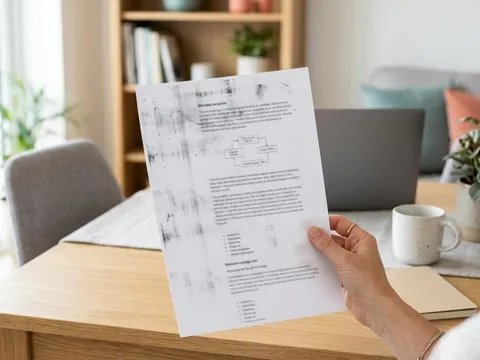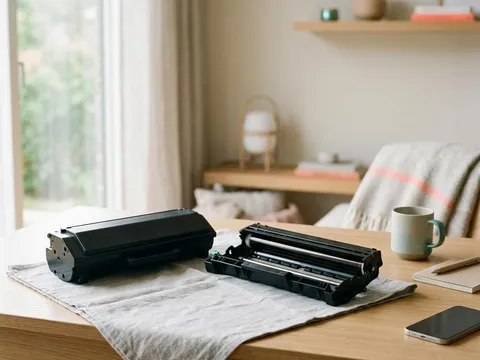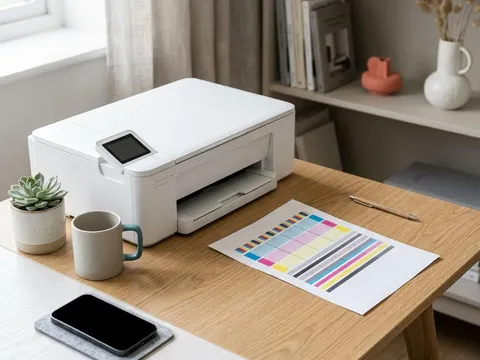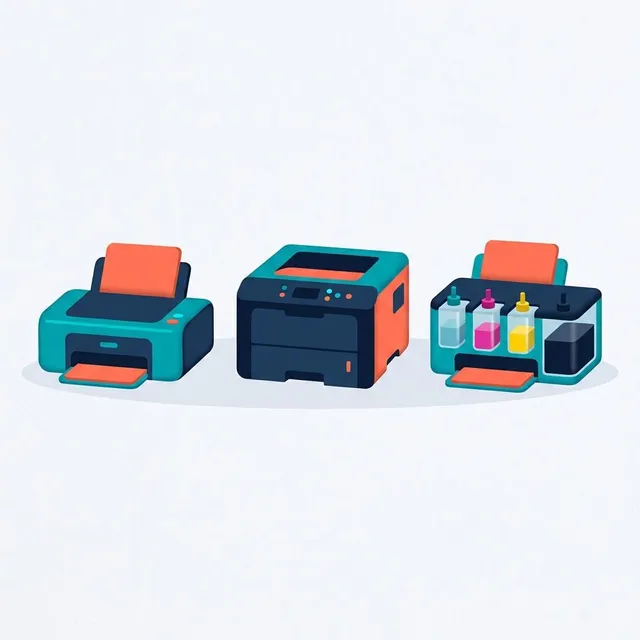
Almost every home and small office printer belongs to one of three families. Cartridge inkjets spray liquid ink from replaceable cartridges. Ink-tank inkjets use the same technology but are refilled from bottles. Laser printers fuse a dry powder called toner onto the paper with heat. Each family is good at different things, and the right choice depends on what you print, how much and how often. This guide compares them side by side and finishes with a simple way to decide.
What you'll need
- A rough idea of your monthly page count
- Whether you print mostly text, mostly color, or photos
- How often you print: daily, weekly or occasionally
Step by step
6 steps-

Step 1 of 6
Compare print quality
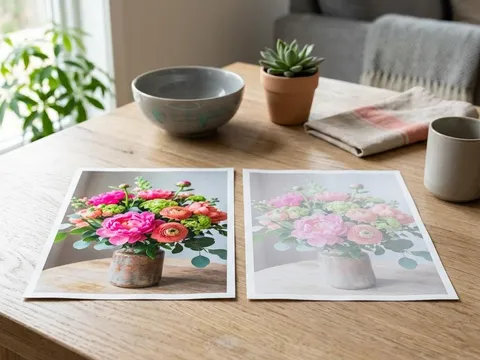
Inkjets, both cartridge and ink-tank, produce the best color and photo prints, especially on photo paper. Laser printers produce very crisp black text and good business graphics, but color lasers are less suited to photos. If photos matter to you, an inkjet is the better fit; if most of your printing is text, a laser is hard to beat.
-
Step 2 of 6
Compare speed
Laser printers are usually the fastest for multi-page text documents and keep that speed over long runs. Inkjets are fine for a few pages at a time but slow down noticeably in high-quality and photo modes. Ink-tank printers print at similar speeds to cartridge inkjets of the same class.
-

Step 3 of 6
Compare running cost
Cartridge inkjets usually have the highest cost per page because cartridges hold relatively little ink. Ink-tank printers have the lowest ink cost per page, often by a wide margin, because bottled ink is much cheaper per milliliter. Laser printers fall in between for color but are very economical for black text, especially with high-yield toner.
-
Step 4 of 6
Compare purchase price
Cartridge inkjets are the cheapest to buy. Ink-tank printers cost more upfront but usually include enough ink in the box for thousands of pages. Monochrome laser printers are often moderately priced, while color lasers cost more. Over two or three years of regular printing, the cheapest printer to buy is rarely the cheapest to own.
-
Step 5 of 6
Compare upkeep
Inkjets need regular use, because ink can dry in the nozzles if a printer sits idle for weeks. Ink-tank printers share this, although many have strong cleaning functions. Laser printers tolerate long breaks without any problem, since toner is a dry powder. Lasers have wear parts such as the drum and fuser, but these last many thousands of pages.
-
Step 6 of 6
Match the printer to how you print
Occasional printing of mostly text: a monochrome laser. Regular mixed printing with some color: an ink-tank inkjet. Low volume with occasional color and a tight budget: a cartridge inkjet. Frequent photos: a photo inkjet. High-volume office printing: a laser or business-class ink-tank printer.
A quick side-by-side summary
Cartridge inkjet: low purchase price, excellent color and photos, higher cost per page, needs regular use. Best for low-volume home printing with some color.
Ink-tank inkjet: higher purchase price, excellent color and photos, very low ink cost per page, needs regular use. Best for families, students and home offices that print regularly in color.
Laser: moderate purchase price, very sharp text, fast, economical for black pages, tolerates long breaks. Best for document-heavy printing and people who print occasionally.
Where to find exact running costs
Each printer maker publishes page yields for its supplies, measured with ISO standards, on its product pages, such as those from Epson (opens in a new tab) for ink-tank printers or Brother (opens in a new tab) for laser printers. Divide the price of a supply by its rated yield to get a cost per page. Our guide to understanding cost per page shows how to do this step by step, including how to account for color.
How each technology works
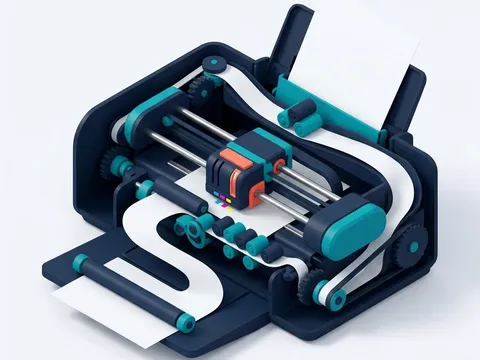
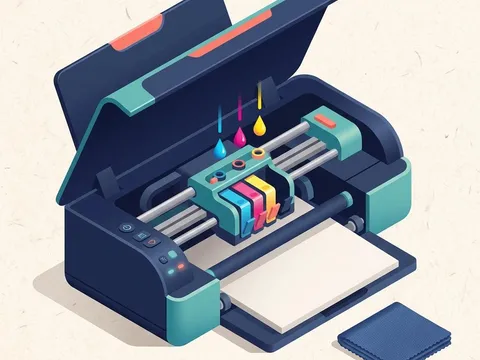
Inkjets fire tiny droplets through hundreds of microscopic nozzles in a printhead that moves across the page. Laser printers use a laser to draw the page as an electrical charge on a rotating drum, which attracts toner powder, then fuse that toner onto the paper with heat. Our guide to how printers work explains both processes, along with thermal printing used in label printers.
Questions readers ask
Which printer type is cheapest to run?
For most color printing, ink-tank inkjets have the lowest cost per page. For black text only, a monochrome laser with high-yield toner is also very economical.
Is a laser printer good for photos?
Laser printers can print photos, but results are usually less smooth and vivid than an inkjet on photo paper. For photos, an inkjet is the better choice.
Why do inkjets dry out but lasers don't?
Inkjets use liquid ink that can thicken and dry in tiny nozzles when unused. Laser toner is a dry powder, so there is nothing to dry out.
Are ink-tank printers messy to refill?
Modern ink bottles are usually keyed to fit only the matching tank and release ink only when inserted, which makes refilling clean and simple. Following the instructions in the manual avoids spills.
Official manufacturer resources
Your printer's manual and the maker's website are the authoritative source for your exact model.
- Epson — manuals, drivers and product help (epson.com) (opens in a new tab)
- Canon — manuals, drivers and product help (usa.canon.com) (opens in a new tab)
- HP — manuals, drivers and product help (hp.com) (opens in a new tab)
- Brother — manuals, drivers and product help (brother.com) (opens in a new tab)